Follow us
Information
- Address: SilverZone Foundation B-2, Ansal Chamber-II, Bhikaji Cama Place, New Delhi-110066(India)
- Call Us: 011-69114100(30 Lines)
- Email: info@silverzone.org


International Reasoning and Aptitude Olympiad 
“Children must be taught how to think, not what to think.”
- Margaret Mead


More than
2,28000+
Students
About
International Reasoning and Aptitude Olympiad (iRAO)
The SilverZone International Reasoning and Aptitude Olympiad (iRAO) helps students evaluate their reasoning and aptitude abilities. This annual exam tests skills in analytical reasoning, logical reasoning, numerical aptitude, spatial reasoning, and verbal reasoning—essential for academic and career success.
Key Features and Benefits for Students:
- Based on CBSE, ICSE, and State Board curricula.
- Available for students in grades 1 to 12.
- Includes applied reasoning questions to sharpen problem-solving.
- Discover potential: Uncover talents in Reasoning and Aptitude domains.
- Boost confidence: Hone cognitive skills for real-world challenges.
- Future-ready: Strengthen positive traits and address gaps to achieve goals.
Early development of these skills is vital for success in competitive exams and beyond.
Key Features of the Exam Structure
- Each class will receive a separate and class-specific question paper to ensure appropriate difficulty levels.
- All questions are objective-type (Multiple Choice Questions).
- There is no negative marking, encouraging students to attempt all questions confidently.
- The International Reasoning and Aptitude Olympiad (iRAO) is conducted only in English to maintain a standardised assessment format and ensure clarity in technical terminology used across all classes.
The Olympiad is held once a year and is conducted during school hours to ensure student convenience and maximum participation. Each participating school can select one of the three proposed dates for conducting the Olympiad. All dates will have separate sets of question papers, ensuring exam integrity and flexibility in scheduling.
Test Paper Structure
The question paper is class-specific and usually consists of the following sections:
(Classes I-VIII)(i) Section-1: Mental Ability Test
(ii) Section-2: Quantitative Aptitude
(iii) Section-3: Scholar’s Zone
(Classes IX-XII)(i) Section-1: Mental Ability Test
(ii) Section-2: Qualitative Aptitude
(iii) Section-3: Quantitative Aptitude
(iv) Section-4: Scholar’s Zone
The language medium is English only. The examination is being conducted for all classes from 1st to 12th with the following details:
- For Classes 1-2: There will be 25 questions, and the duration will be 40 Minutes
- For Classes 3-5: There will be 30 questions, and the duration will be 40 Minutes.
- For Classes 6-8: There will be 35 questions, and the duration will be 40 Minutes.
- For Classes 9-12: There will be 40 questions, and the duration will be 50 Minutes.
The details of the manner in which the test is to be conducted will be sent with the question papers. For classes 1st onward, OMR answer sheets will be provided.
Registration Of Students
The International Reasoning and Aptitude Olympiad (iRAO) prospectus, along with registration forms, is sent to all schools currently registered with the SilverZone Foundation. Please note that the printed prospectus may not reflect the most recent updates. The latest information on syllabus, exam format, levels, and prizes is always available on our official website. We recommend referring to it for accuracy.
For New Schools
Schools not yet registered with SilverZone may request a prospectus by writing to us at info@silverzone.org Once received, schools must return the completed registration forms by the specified deadline.
Important Note For Schools
- Any school can become a registered centre for the International Reasoning and Aptitude Olympiad (iRAO). There is no fee required to register the school itself.
- For smooth coordination and exam feasibility, a minimum of 40 students per school is required to register for the International Reasoning and Aptitude Olympiad (iRAO).
- For any clarification regarding exam rules, syllabus, paper pattern, or registration process, schools may write to us directly at info@silverzone.org
The details of the manner in which the test is to be conducted will be sent with the question papers. For classes 1st onward, OMR answer sheets will be provided.
Marking Scheme and Syllabus
The tentative chapter-wise marking Scheme will help students to perform better in SilverZone Olympiads. The actual marks distribution may differ depending on the prerogative of the authors/selectors/paper setters concerned. The Syllabus may be reduced depending upon the prevalent Coronavirus pandemic conditions. The same will be updated here in due course of time. The syllabus is being modified for year 2025-26 as advised by the Boards. Total No. of Questions will also be reduced shortly. Please keep visiting our website for an updated syllabus and other information.
Series
Chapters
- Analogy
- Spatial Understanding
Coding
Chapters
- Grouping
Arrangement
Chapters
- Odd One Out
Analytical
Chapters
- Ranking Test
- Patterns
Non-Verbal (Image Based)
Chapters
- Geometrical Shapes
Quantitative Aptitude
Chapters
- Money
- Time and Calender
- Measuring Units
Scholar’s Zone
- Scholar’s Zone
Series
Chapters
- Analogy
Coding
Chapters
- Coding-Decoding
Arrangement
Chapters
- Odd One Out
Analytical
Chapters
- Ranking Test
- Patterns
Non-Verbal (Image Based)
Chapters
- Geometrical Shapes
- Grouping and Embedded figures
Quantitative Aptitude
Chapters
- Money
- Time and Calender
- Measuring Units
Scholar’s Zone
- Scholar’s Zone
Series
Chapters
- Analogy (both word based and numerical)
- Odd One Out (both word based and numerical)
- English Dictionary based word arrangements
- Missing letters/ Numbers
Coding
Chapters
- Coding Decoding
- Symbols
- Maths operations
Arrangement
Chapters
- Sitting arrangement
- Blood relations
- Direction Test
Analytical
Chapters
- Ranking, missing characters etc.
- Box containing some number
- you’ve to find missing number
Non-Verbal (Image Based)
Chapters
- Mirrors and water reflection
- Sequence of figures
- Configuration
- fitting pieces
- odd pieces
Quantitative Aptitude
Chapters
- Number System
- Algebra
- Geometry
- Mensuration
- Data Handling
Scholar’s Zone
- Scholar’s Zone
Series
Chapters
- Analogy (both word based and numerical)
- Odd One Out (both word based and numerical)
- English Dictionary based word arrangements
- Missing letters/ Numbers
Coding
Chapters
- Coding Decoding
- Symbols
- Maths operations
Arrangement
Chapters
- Sitting arrangement
- Blood relations
- Direction Test
Analytical
Chapters
- Ranking, missing characters etc.
- Box containing some number
- you’ve to find missing number
Non-Verbal (Image Based)
Chapters
- Mirrors and water reflection
- Sequence of figures
- Configuration
- fitting pieces
- odd pieces
Quantitative Aptitude
Chapters
- Number System
- Algebra
- Geometry
- Mensuration
- Data Handling
Scholar’s Zone
- Scholar’s Zone
Series
Chapters
- Analogy (both word based and numerical)
- Odd One Out (both word based and numerical)
- English Dictionary based word arrangements
- Missing letters/ Numbers
Coding
Chapters
- Coding Decoding
- Symbols
- Maths operations
Arrangement
Chapters
- Sitting arrangement
- Blood relations
- Direction Test
Analytical
Chapters
- Ranking, missing characters etc.
- Box containing some number
- you’ve to find missing number
Non-Verbal (Image Based)
Chapters
- Mirrors and water reflection
- Sequence of figures
- Configuration
- fitting pieces
- odd pieces
Quantitative Aptitude
Chapters
- Number System
- Algebra
- Geometry
- Mensuration
- Data Handling
Scholar’s Zone
- Scholar’s Zone
Series
Chapters
- Analogy (both word based and numerical)
- Odd One Out (both word based and numerical)
- English Dictionary based word arrangements
- Missing letters/ Numbers
Coding
Chapters
- Coding Decoding
- Symbols
- Maths operations
Arrangement
Chapters
- Sitting arrangement
- Blood relations
- Direction Test
Analytical
Chapters
- Ranking, missing characters etc.
- Box containing some number
- you’ve to find missing number
- Time and Clock
Non-Verbal (Image Based)
Chapters
- Mirrors and water reflection
- Sequence of figures
- Configuration
- fitting pieces
- odd pieces
Quantitative Aptitude
Chapters
- Number System
- Algebra
- Geometry
- Mensuration
- Data Handling
Scholar’s Zone
- Scholar’s Zone
Series
Chapters
- Analogy (both word based and numerical)
- Odd One Out (both word based and numerical)
- English Dictionary based word arrangements
- Missing letters/ Numbers
Coding
Chapters
- Coding Decoding
- Symbols
- Maths operations
Arrangement
Chapters
- Sitting arrangement
- Blood relations
- Direction Test
Analytical
Chapters
- Ranking, missing characters etc.
- Box containing some number
- you’ve to find missing number
- Cubes and Dices
- Time
- Clock and Calender
Non-Verbal (Image Based)
Chapters
- Mirrors and water reflection
- Sequence of figures
- Configuration
- fitting pieces
- odd pieces
Quantitative Aptitude
Chapters
- Number System
- Algebra
- Geometry
- Mensuration
- Data Handling
Scholar’s Zone
- Scholar’s Zone
Series
Chapters
- Analogy (both word based and numerical)
- Odd One Out (both word based and numerical)
- English Dictionary based word arrangements
- Missing letters/ Numbers
Coding
Chapters
- Coding Decoding
- Symbols
- Maths operations
Arrangement
Chapters
- Sitting arrangement
- Blood relations
- Direction Test
Analytical
Chapters
- Ranking, missing characters etc.
- Box containing some number
- you’ve to find missing number
- Statement analysis
- Statement conclusion
Non-Verbal (Image Based)
Chapters
- Mirrors and water reflection
- Sequence of figures
- Configuration
- fitting pieces
- odd pieces
- Rule detection
Quantitative Aptitude
Chapters
- Number System
- Algebra
- Geometry
- Mensuration
- Data Handling
Scholar’s Zone
- Scholar’s Zone
Series
Chapters
- Analogy (both word based and numerical)
- Odd One Out (both word based and numerical)
- English Dictionary based word arrangements
- Missing letters/ Numbers
- Ranking
- missing characters etc.
Coding
Chapters
- Coding Decoding
- Symbols
- Maths operations
Arrangement
Chapters
- Sitting arrangement
- Blood relations
- Direction Test
Logical
Chapters
- Statement and argument
- Syllogism
- Data Interpretation
Non-Verbal (Image Based)
Chapters
- Mirrors and water reflection
- Sequence of figures
- Configuration
- fitting pieces
- odd pieces
Qualitative Aptitude
Chapters
- English Grammar
Quantitative Aptitude
Chapters
- Number System
- Algebra
- Geometry
- Mensuration
- Permutation and Combinations
- Probability
Scholar’s Zone
- Scholar’s Zone
Series
Chapters
- Analogy (both word based and numerical)
- Odd One Out (both word based and numerical)
- Ranking
- missing characters etc.
Coding
Chapters
- Coding Decoding
- Symbols
- Maths operations
Arrangement
Chapters
- Sitting arrangement
- Blood relations
- Direction Test
Logical
Chapters
- Statement and argument
- Syllogism
- Statement and Assumption
- Statement - Courses of Action
- Situation Reaction Test
- Verification of Truth of the Statement
Non-Verbal (Image Based)
Chapters
- Mirrors and water reflection
- Configuration
- fitting pieces
- odd pieces
- Dot Situation
Qualitative Aptitude
Chapters
- English Grammar
Quantitative Aptitude
Chapters
- Number System
- Algebra
- Geometry
- Mensuration
- Permutation and Combinations
- Probability
Scholar’s Zone
- Scholar’s Zone
Series
Chapters
- Analogy (both word based and numerical)
- Odd One Out (both word based and numerical)
- Ranking
- missing characters etc.
Coding
Chapters
- Coding Decoding
- Symbols
- Maths operations
Arrangement
Chapters
- Sitting arrangement
- Blood relations
- Direction Test
Logical
Chapters
- Syllogism
- Logic Venn Diagram
Non-Verbal (Image Based)
Chapters
- Mirrors and water reflection
- Configuration
- fitting pieces
- odd pieces
Qualitative Aptitude
Chapters
- English Grammar
Quantitative Aptitude
Chapters
- Number System
- Algebra
- Geometry
- Mensuration
- Permutation and Combinations
- Probability
Scholar’s Zone
- Scholar’s Zone
Series
Chapters
- Analogy (both word based and numerical)
- Odd One Out (both word based and numerical)
- Ranking
- missing characters etc.
Coding
Chapters
- Coding Decoding
- Symbols
- Maths operations
Arrangement
Chapters
- Sitting arrangement
- Blood relations
- Direction Test
Logical
Chapters
- Syllogism
- Logic Venn Diagram
- Statement and Conclusion
Non-Verbal (Image Based)
Chapters
- Mirrors and water reflection
- Configuration
- fitting pieces
- odd pieces
- Sequence of figures
Qualitative Aptitude
Chapters
- English Grammar
Quantitative Aptitude
Chapters
- Number System
- Algebra
- Geometry
- Mensuration
- Permutation and Combinations
- Probability
Scholar’s Zone
- Scholar’s Zone
Raw Score Calculation
The raw score is computed by multiplying each correct answer by its corresponding base marks and summing the results. In mathematical terms: Raw Score = SUM (correct answer × subsequent base Marks).
Total Marks Calculation
Total Marks are determined by adding the raw score to the sum of the weightage of correct answers. Each question carries an additional weightage, starting from .0001 and increasing incrementally (.0002, .0003, and so forth). For instance, Question No. 1 has a weightage of .0001, Question No. 2 has .0002, and so on. This weightage is utilized to resolve ties when calculating Class/Zonal/Olympiads ranks.
Rank Structure:
Class Rank
This encompasses all students from various sections/divisions of the same class within the same school.
Olympiad Rank
This encompasses all students from India and abroad belonging to the same class.
Important Notes:
Each winner is entitled to one award per exam, receiving the higher-level award only. For example, international top three rank holders will receive awards based on their international ranks, and any awards based on their Zonal ranks will be passed to the next rank holder. Similarly, if a Zonal award winner also qualifies for a class award, the class award will be given to the next rank holder.
Sample Papers
Sample Question Papers
The detailed Syllabus and Sample Test Paper are provided in this website, click the following links to download the Syllabus and Sample Test Paper class wise. For Books please contact, School Coordinator or book your order online now The syllabus is being modified for year 2025-26 as advised by the Boards. Please keep visiting our website for an updated syllabus.
Prizes
International Olympiad
Rank Awards

1st Olympiad rank
The 1st International Olympiad rank holder in each class will receive a Prize of
10,000/-.
2nd Olympiad rank
The 2nd International Olympiad rank holder in each class will receive a Prize of
7,500/-.

3rd Olympiad rank
The 3rd International Olympiad rank holder in each class will receive a Prize of
5000/-.
Other Prizes
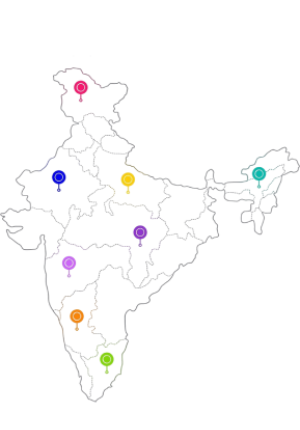
Zonal Categorisation
Zone/State Categorisation
To streamline operations and facilitate various functions, all states and Union Territories in India, along with participating international countries, have been organized into the following zones. This categorization serves the following purposes:
Determining zone toppers for performance-based awards.
Delhi NCR, Haryana, Punjab, Himachal Pradesh, Uttarakhand, J&K, Ladakh, Chandigarh, Rajasthan, Uttar Pradesh
Maharashtra, Goa, Gujarat, Daman & Diu, Dadra & Nagar Haveli, Madhya Pradesh
West Bengal, Bihar, Jharkhand, Odisha, Assam, Arunachal Pradesh, Tripura, Sikkim, Meghalaya, Mizoram, Nagaland, Manipur, Chhattisgarh
Tamil Nadu, Karnataka, Kerala, Telangana, Puducherry, Lakshadweep, Andhra Pradesh, Andaman & Nicobar
All countries except India
Study Material
Recommendation & Books
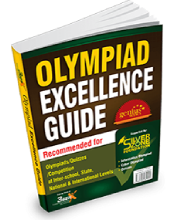
OLYMPIAD EXCELLENCE GUIDE
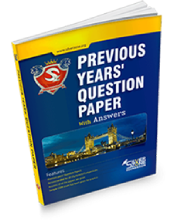
PREVIOUS YEAR PAPERS
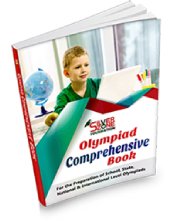
COMPREHENSIVE BOOK